Which U.S. States Can Witness the March Total Lunar Eclipse? Here’s When and How to Watch
The North America and the Western Hemisphere will get to see the uncommon spectacle of a total lunar eclipse , culminating in the spectacle of a glowing red "blood moon."
Beginning late Thursday night into early Saturday, March 14 , the Earth will come between the Sun and Moon, leading to this phenomenon. Unlike previous eclipses, This will become visible. from various regions across all U.S. states and North America, along with certain areas in South America, Europe, and Africa.
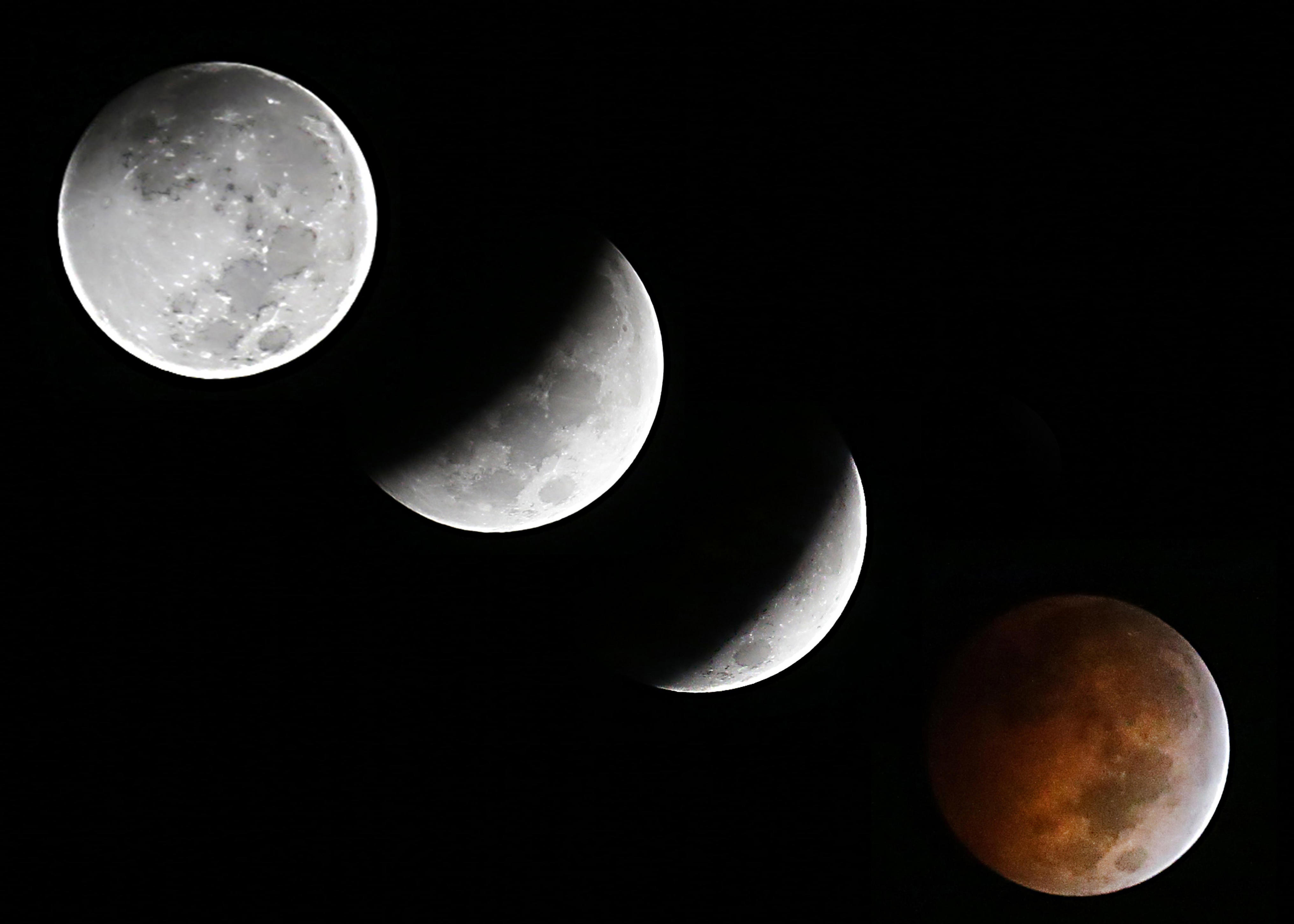
It has almost been three years now. since the last total lunar eclipse , occurring on Tuesday, November 8, 2022, and being the sole eclipse viewable from the United States until 2026.
Begin your day with more knowledge. Receive all the essential news directly in your mailbox every morning.
Here’s what you should know about the eclipse and where and when it can be seen across the United States.
What exactly occurs during a total lunar eclipse?
A lunar eclipse occurs When the moon moves into Earth's shadow during its alignment with both Earth and the Sun.
When the moon is only partially obscured by Earth's shadow as our planet moves between the moon and the sun, it creates a partial lunar eclipse — similar to the event that took place in September During a full lunar eclipse, the complete moon passes into the most shaded region of Earth’s shadow known as the umbra, entirely obscuring it from sunlight. according to NASA .
What exactly is a blood moon?
On the morning of March 13 into 14, as the Earth moves between the Sun and the Moon, we will witness a lunar eclipse. total lunar eclipse . As the The Earth moves in front of the sun. , obscuring its light, the moon will take on a dark reddish-orange hue, earning it the moniker "blood moon."
What is the date of the total lunar eclipse?
The complete lunar eclipse will be observable across the United States on the evening of March 13-14. The website Time and Date forecasts that the moon will go through all stages of the lunar eclipse within a span of 6 hours and 3 minutes.
The penumbral eclipse starts at 11:57 p.m. ET, marking the moment when the moon enters the fainter outer region of Earth’s shadow known as the penumbra. penumbra , according to NASA .
However, you might not realize the moon is starting to darken until 1:09 a.m. ET on Friday, as that’s when it begins to move into the total shadow, according to NASA.
Totality occurs at 2:26 a.m. EDT when the entire moon is under the umbra. This is when the reddish hues of the "blood moon" will be on display.
The optimal time for viewing varies depending on your location within the U.S. As stated by Time and Date, Space.com, Prime viewing for various U.S. regions happens at particular times:
- Eastern Standard Time: 2:26-3:32 a.m. EDT on Friday
- Central Time: 1:26-2:32 a.m. CDT on Friday
- Mountain Time: 12:26-1:32 a.m. MST on Friday
- Pacific Time: From 11:26 p.m. on Thursday until 12:32 a.m. PDT on Friday
- Alaska: 10:26-11:32 p.m. AKDT on Thursday
- Hawaii: 8:26-9:32 p.m. HST on Thursday
What regions will have the opportunity to observe the complete lunar eclipse?
Every US state will have the opportunity to observe either a total solar eclipse or what’s known as a "blood moon." While Hawaii and certain areas of Alaska won’t catch the start of the initial penumbral stage, they’ll still enjoy an excellent view overall. according to Space.com.
According to Time and Date This resource also offers more specific details on observing the eclipse based on your location. Approximately 39% of Earth’s population can witness at least part of the penumbral stage of the event, whereas around 10.5%, equivalent to approximately 863 million people, will be able to observe the complete eclipse from beginning to end.
Unlike solar eclipses, you can safely view a lunar eclipse without wearing protective eyewear.
What is the date of the upcoming total lunar eclipse?
NASA states that the next total lunar eclipse viewable from the U.S. will not occur until March 2026.
The narrative has been revised to correct an error and include additional details.
The article initially appeared on USA TODAY: In which U.S. states will the March total lunar eclipse be visible? What is the best way to observe it and at what time should you look?


Comments
Post a Comment