We Need to Stop Idolizing Arrogant Male Chefs—Cooking Isn’t About Egos
Canada is home to more than 250,000 chefs However, only 18.5% of them are women, and these women face significant challenges.
In February, 70 women chefs gathered to address the issue of sexism And the inequalities they've encountered while working in professional kitchens.
Feeling that enough was enough, the women wrote an open letter in reaction to remarks Jason Atherton made during an interview with The Times , stating that women “didn’t truly” experience sexism In restaurants anymore, as he hadn’t noticed it.
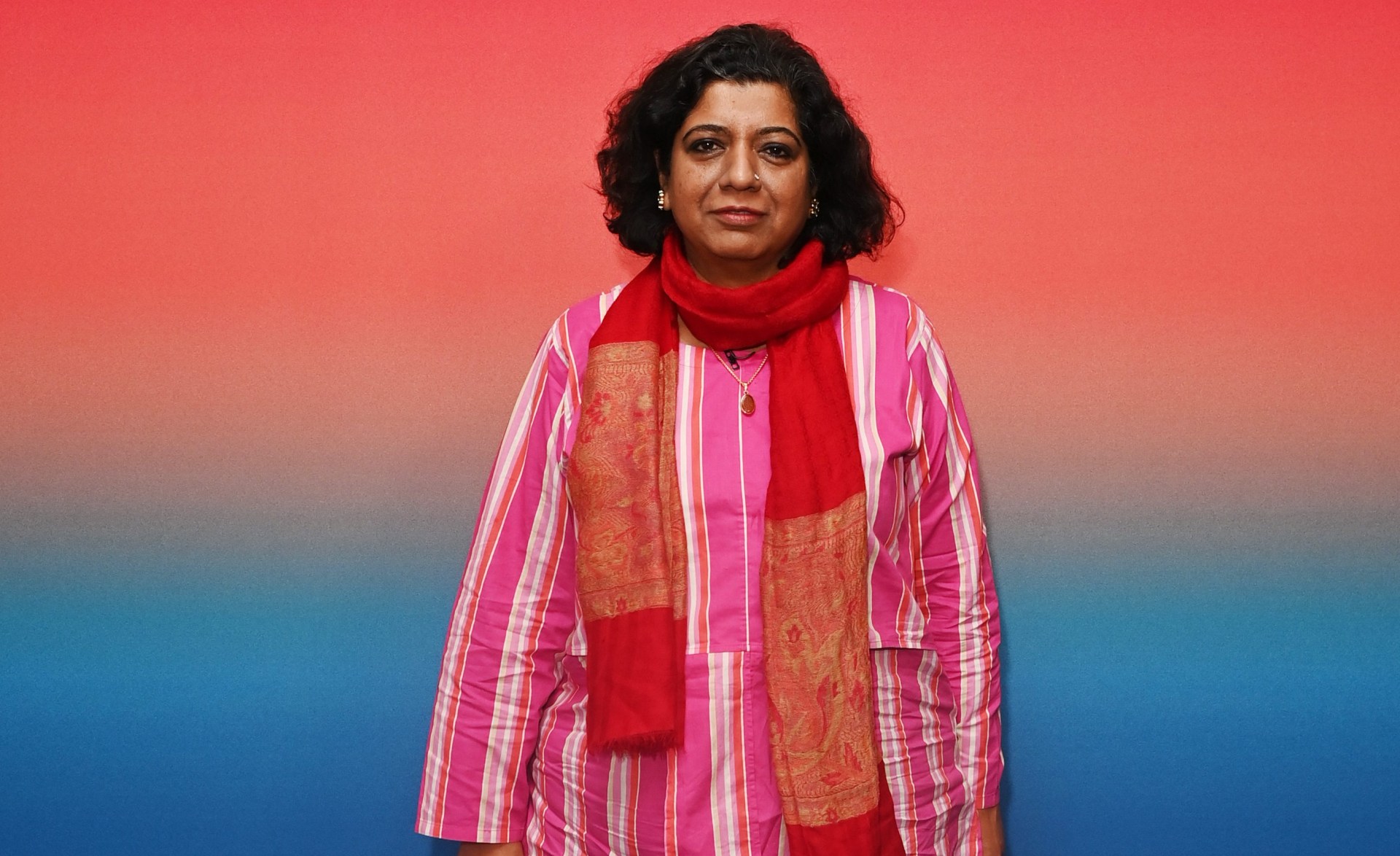
Asma Khan, who founded Darjeeling Express, London is painfully aware of the challenges women encounter every day in kitchens, having often been informed that both she and her entirely female staff could not succeed in the field without a man's assistance.
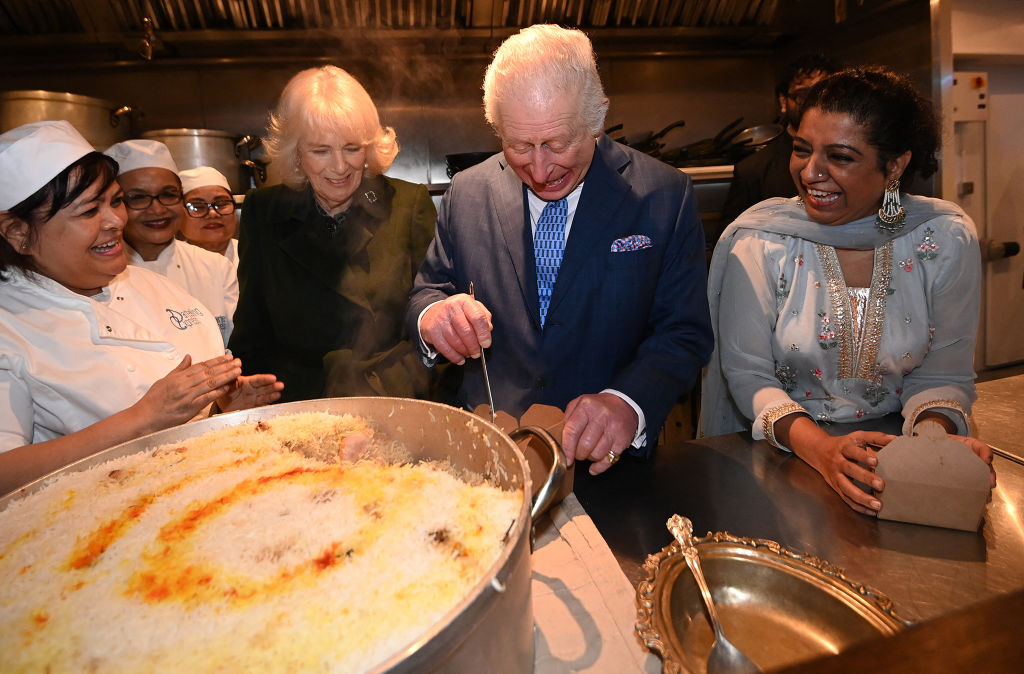
However, the individual from Kolkata, who is 55 years old, India, Has surpassed all predictions by establishing a successful restaurant empire that has garnered attention in both the Michelin Guide and the Good Food Guide. She was recognized as one of TIME’s 100 most impactful individuals in 2024. Furthermore, she appears to have won over the royal household, evidenced by King Charles and Queen Camilla's recent visit to her eatery.
The key to her success in this heavily male-dominated field? Understanding that every step forward she takes is not only for her own advancement but also for the women who will follow in her footsteps.
'The work frequently seems akin to a martial art'
'The seclusion of women in kitchens is a significant issue, and we aren’t discussing it sufficiently,' she states. . ‘You don’t find that many women in restaurant kitchens, they’re often pastry chefs, receptionists or front of house, so it can be really isolating to be the only woman working in a very close, tense space surrounded by a lot of macho energy.
'The work frequently feels akin to a combat sport – such as Mortal Kombat – where you put in extremely long and grueling hours. During service, there's an abundance of aggression, machismo, and loud yelling.'
Asma thinks that women have the potential to be 'the change' that the sector urgently requires—if they're courageous enough to voice their opinions.
'When entering a kitchen, remember that you have earned your place at the table. This moment presents an occasion for you to contribute towards shifting the culture such that when they hire another woman next time, she won’t encounter half of the issues you resolved.'
Asma acknowledges sounding quite idealistic, yet she maintains that her life serves as evidence that all barriers can indeed be overcome.
'I'm here because I trusted my own abilities and didn’t let anyone dictate my actions. It isn’t simple, but think about how your efforts can inspire the women who follow.'
Many women have remained silent for decades due to the concern that it might harm their professional prospects, but they are now coming forward together as a group because safety lies in unity.
'I'm not scared; I believe we should bring up these concerns, discuss them openly, and make them known publicly. People will continue to employ you since they'll recognize your honesty.'
‘Don’t ever leave quietly’
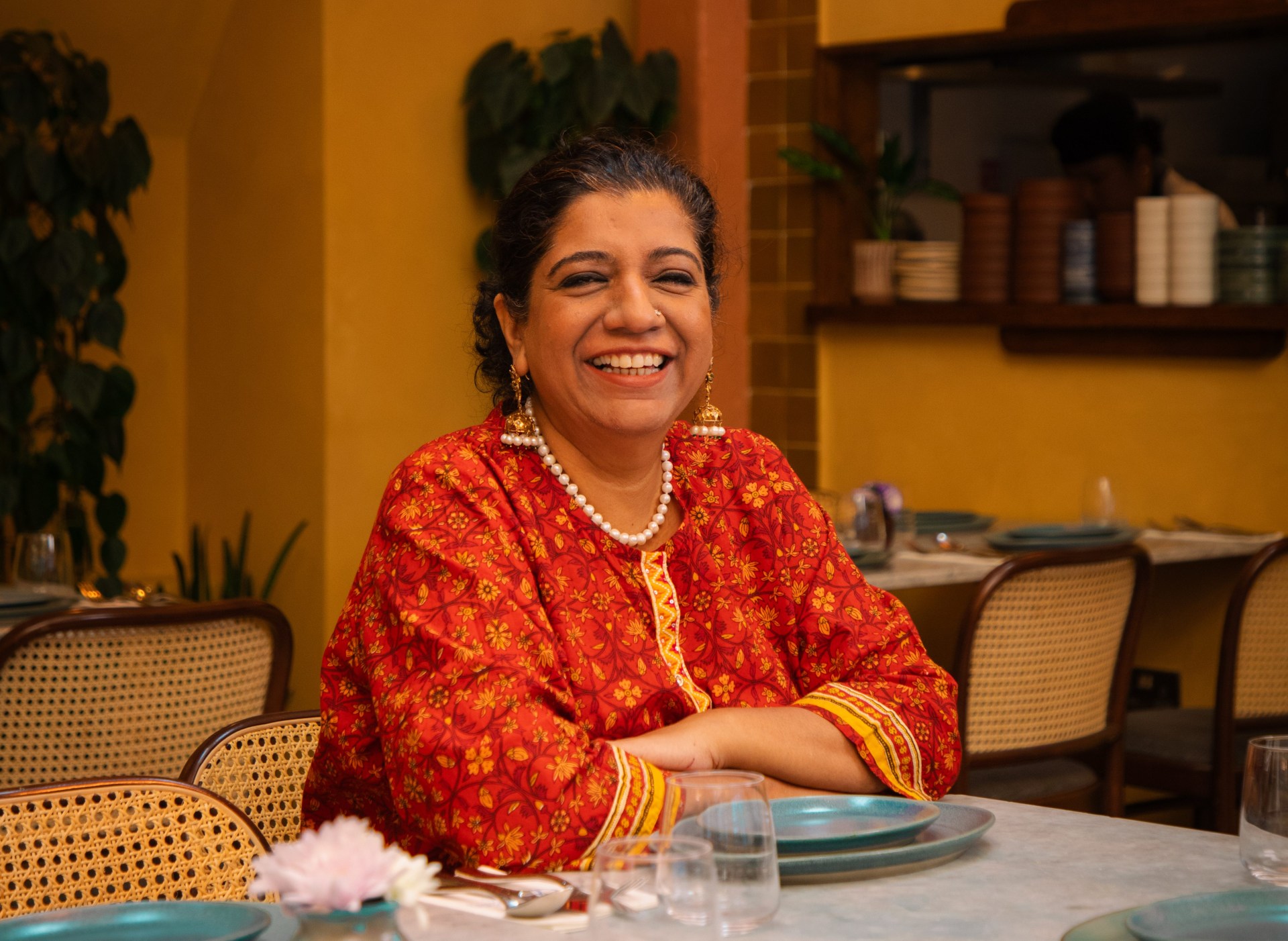
The chef has encountered numerous women expressing their desire to abandon their aspirations of becoming cooks because of harmful workplace settings, and for those experiencing such feelings, she offers some wise counsel.
“If it becomes too much to handle, you ought to exit and find another place within the same field,” she advises.
'And never slip away silently — make some noise. If you remain quiet, nobody will realize how harmful this workplace can be, so you should speak up for the sake of the next woman who might consider joining.'
She goes on to say, "If cooking is your true love and you aspire to become a chef, you undoubtedly have the right to advance and potentially lead as a head chef or even own a restaurant, yet you must not drop out of the competition."
Challenges may arise along the path, and the circumstances for female chefs are especially tough due to the lack of unity in the field; it remains quite fragmented. However, inside your dining areas, you have the opportunity to create a community of women supporting one another and celebrating their achievements, which will provide the strength needed to combat harassment or humiliation faced by women.
A distinct type of kitchen
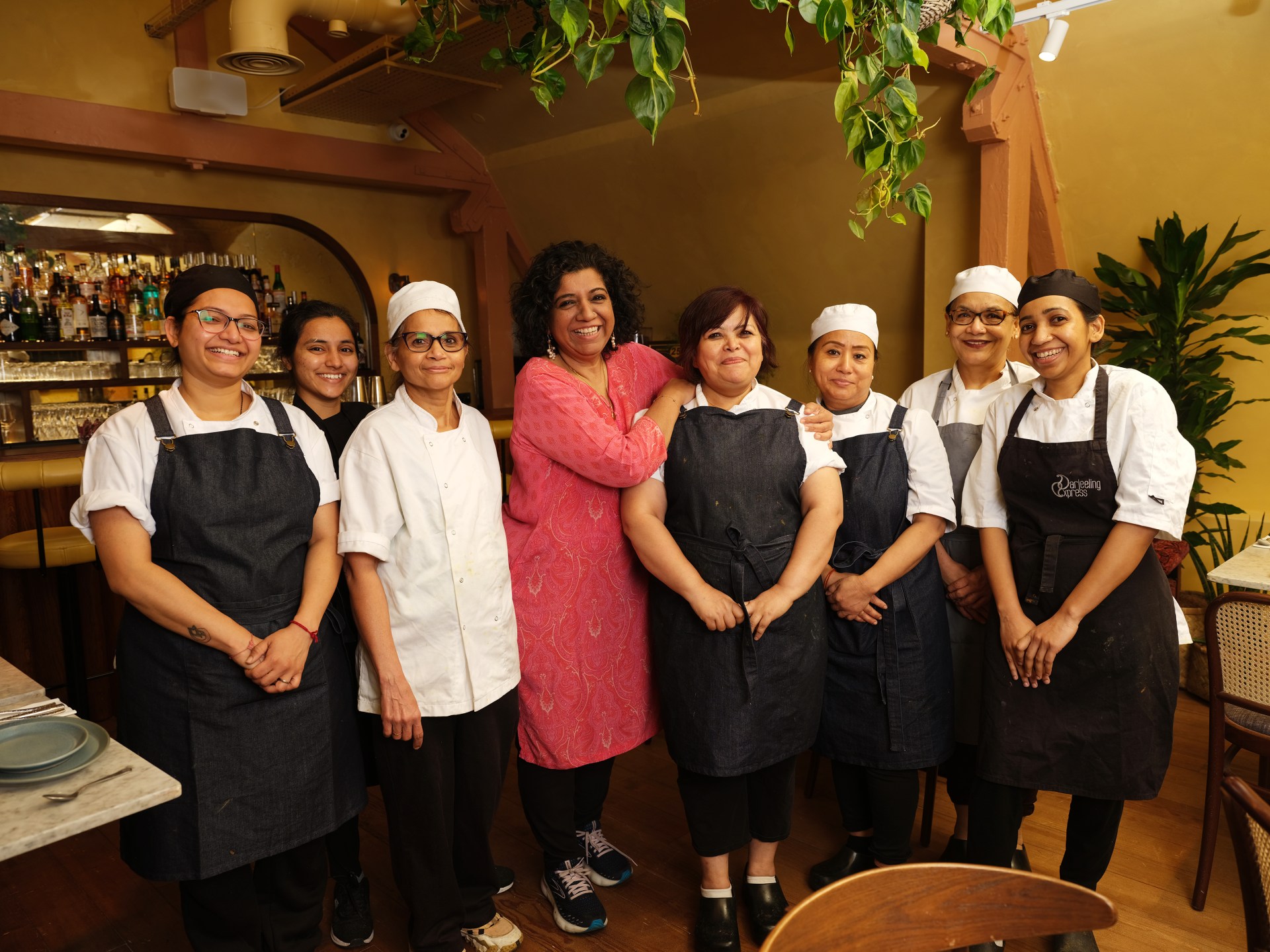
This perfectly encapsulates the inclusive environment Asma has fostered at Darjeeling Express, allowing staff members to have paid leave during their menstrual cycles and turning away tardy reservations to guarantee female workers return home safely before curfew.
Although the front-of-house personnel consists of both male and female employees, the restaurant’s kitchen crew stands out as entirely composed of women. This team is led predominantly by immigrant housewives, mostly in their 50s.
None of them, including Asma, possess any formal culinary education or certifications. They acquired their cooking skills entirely through home learning.
When I launched the restaurant, many individuals within the hospitality sector advised me that I required experienced chefs rather than home cooks in the kitchen; otherwise, they warned, I would likely face failure," Asma shares. "They failed to recognize that these remarkable women were actually a tremendous asset.
'Weddings hold great significance in each Indian community, with everybody contributing to prepare meals. Additionally, there’s a custom of preparing food at temples and gurdwaras, which means many of these women were quite adept at cooking for sizable groups.'
Although they may not have had prior experience working in a restaurant, they adapted effortlessly and found pleasure in teaching one another. They observed us as we cooked with our parents and managed to recreate the dishes remarkably well through their instincts alone. So whenever the curry leaves sizzled, the mustard seeds popped, and the onions fried in ghee, they knew precisely when everything was done—not by checking the color—but by catching the scent.
'It’s extremely distinct from all other types of restaurants, yet this experience proved they were ideal for my kitchen.'
The cuisine at Darjeeling Express may not be the most affordable, but Asma explains that this is due to the immense care and time invested in preparing each plate by the women involved.
'For us, cooking isn’t seen as an obligation or employment; rather, it’s emancipation. Where I come from, women cook in each household, yet men dominate professional kitchens. Nobody wants to compensate us; instead, they expect our meals without charge.'
'We stand for the women buried in unmarked graves, those mothers and grandmothers whose lives went unnoticed. In their honor, we prepare meals each day. We pay tribute to every woman pushed aside within the realm of hospitality. This fuels our passion because we understand that this fight isn’t just about us; it’s about standing together with all of them.'
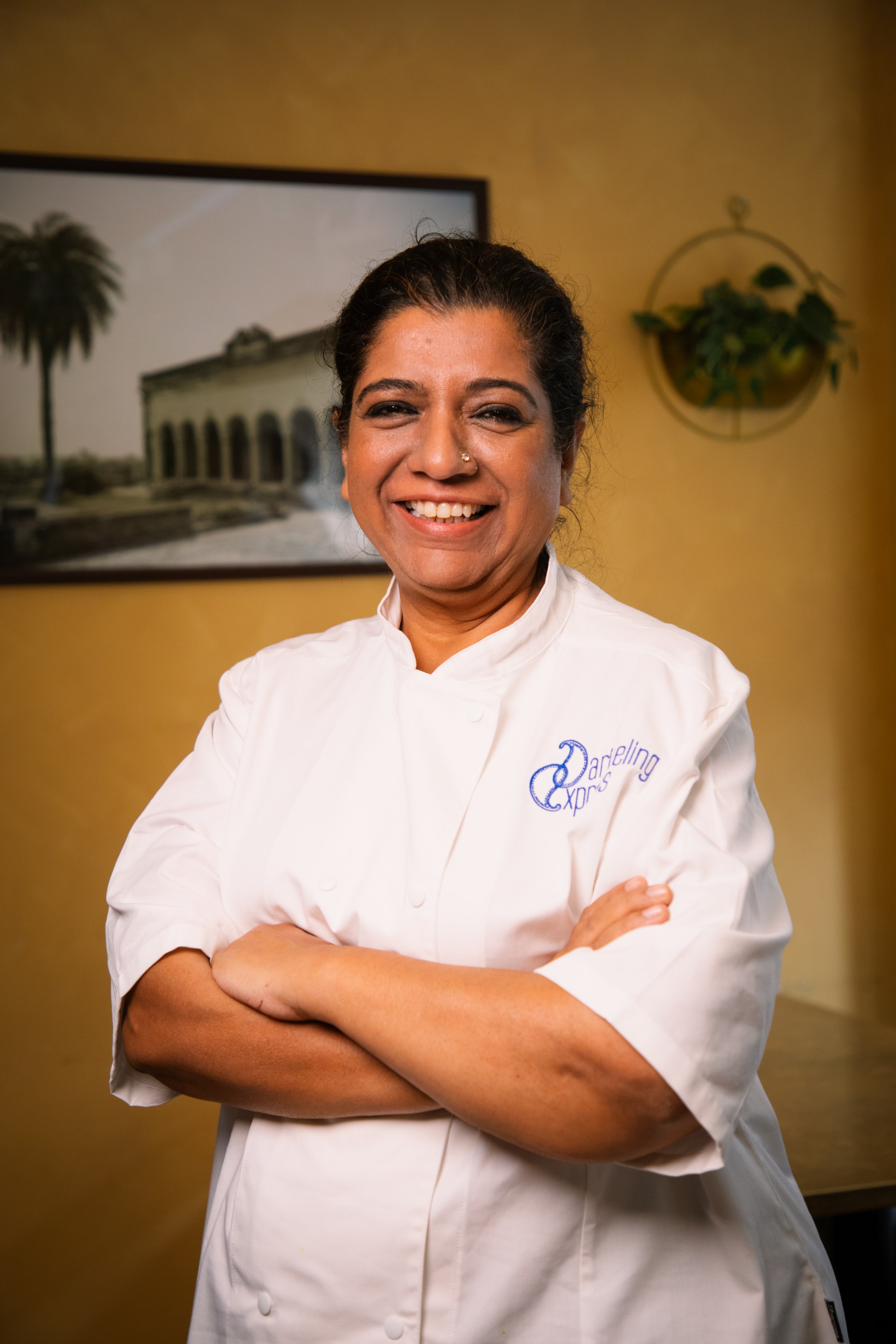
Food shouldn't be about showing off.
This manner, Darjeeling Express has truly served as a 'political initiative' for Asma.
As a child, she always dreamed of making an impact on women’s lives and originally planned to achieve this through law. Nonetheless, during her pursuit of a PhD, she discovered her true passion lay in cooking.
She intended to leverage her expertise in presenting cases to discuss food through the lenses of justice, politics, and gender. Additionally, she aimed to illustrate for others that food serves as a form of affectionate communication.
'So much of the media has idolized these extremely unpleasant male chefs — treating them as though they were rock stars despite their abusive behavior toward women and others, and people still adore them. How can this be?'
'I made up my mind to discuss food with a focus on compassion and understanding. The purpose of food shouldn’t be about boosting one's ego or flaunting wealth aggressively. This behavior isn’t considered cool or appropriate when dealing with coworkers, and somebody needs to speak out against it.'
Asma and her team at Darjeeling Express will soon get the chance to reach a far larger audience with their compelling message, as they are set to receive their own TV series.
Called Secrets of The Curry Restaurant The series will debut on Food Network and discovery+ in the UK this May, spanning across 10 episodes where audiences will delve into the restaurant to explore the most beloved dishes on the menu. Viewers will discover how Asma along with her team of nine remarkable women bring these culinary creations to life.
For those interested in learning more about the cuisine, Asma has recently published a fresh cookbook called "Monsoon," featuring 80 recipes that draw inspiration from her homeland in Bengal.
Have you got a tale to tell?
Reach out via email LifestyleTeam@.co.uk .
Subscribe to 's The Slice newsletter for your go-to resource on all things happening in London, featuring reliable reviews, promotions, and contests.


Comments
Post a Comment