From humble beginnings to glory: The untold story behind Becoming Led Zeppelin
In August 1968, within a cramped space below London's Gerrard Street, Jimmy Page is practicing with his new band. This 24-year-old session guitarist has contributed anonymously to landmark tracks by The Who , The Rolling Stones And after leaving his well-paying job at the Muzak Corporation in 1966 to join Them with Van Morrison, Page watched as that band quickly fell apart. However, his decision proved wise. Shortly thereafter, he assembled a revamped version of The Yardbirds, which would soon drop their previous moniker for "Led Zeppelin." Led Zeppelin ") alongside fellow session musician John Paul Jones and two unnamed individuals from the Black Country, Robert Plant and John Bonham.
Down in that Gerrard Street basement, they dive headfirst into Cincinnati bluesman Tiny Bradshaw’s "Train Kept A-Rollin'," and things are irrevocably changed. Just weeks following their initial jam session, they embark on a Scandinavian tour; come Christmas Day, they're performing stateside; and barely twelve months from day one, they earn gold discs for their introductory record, an album that goes on to sell a jaw-dropping 10 million copies. Fast forward to 1980—after racking up seven additional chart-topping studio albums, globe-spanning tours that break every attendance mark, infamous road trips brimming with debauchery, passion, and substance abuse, along with the untimely demise of drummer Bonham—and it has all fallen apart. Led Zeppelin have left the building, ceding the stage to endless imitators who’ll ape their moves but never approach their magic.
However, it's this initial chapter that captivates Bernard MacMahon and Allison McGourty, the directors of the upcoming documentary. Becoming Led Zeppelin “We aimed to dispel the 'Viking' portrayal of Led Zeppelin as ruthless raiders destroying communities," explains MacMahon. "Ignore all the legends—the private planes, drug use, everything that bands such as Mötley Crüe and Warrant believed defined Led Zeppelin. This marks the start—unveiling the most obscure chapter of the Led Zeppelin saga, an era enveloped in secrecy."
The efforts of MacMahon and McGourty in simplifying complex information have been supported by the usually reserved remaining members of Led Zeppelin, who provided extensive interviews and, according to McGourty, "shared personal items they had never revealed before," such as Plant’s hand-written lyrics for "Ramble On" and an unreleased demo from Plant and Bonham’s earlier group, Band of Joy. Their cooperation stemmed mainly from their respect for the filmmakers' prior work on the highly praised documentary series. American Epic , which documented blues trailblazers such as Charley Patton and Blind Willie Johnson, who held a special place in Zeppelin’s hearts.
The resultant documentary delves into Led Zeppelin's origins and presents close-up looks at these iconic figures. Viewers encounter John Paul Jones during his youth playing the church organ, captivated by "an incredibly cool priest." He later transitions from this role to picking up the bass guitar. Despite his father—a vaudevillian performer—viewing it merely as a "gimmick" and pushing him towards learning the saxophone, Jones pursues his passion. Meanwhile, we see the jovial Jimmy Page, originally part of the family entertainment circuit, receiving unwavering backing from his parents so long as he ensures financial stability for his spouse and children; however, his wife frequently cautions against associating too closely with Robert Plant ("Don't even think about joining forces with that Plant!"). As for their emerging lead singer, he emerges as an introspective individual whose aspirations clashed dramatically with those of his folks—they cast him aside after he refused to pursue accounting—"This gentle soul," notes Irish-British McMahon, recalling childhood memories near South London. Upon witnessing Little Richard perform on television, Plant becomes infatuated with rock 'n' roll: "That musical influence never left me—I'd have embraced being anything—from mods to bikers—to fulfill my dream of singing."
Throughout it all, Page remains the driving influence. From his school days when he played skiffle on the BBC, we follow his journey up through the ranks of the pop industry where he performs with Jones during Shirley Bassey recording the "Goldfinger" theme song. It is Page who recognizes possibilities beyond their typical pop scene and declares he wants to move away from producing singles. Initially, Jones is hesitant; McMahon notes that "Jonesy wasn’t particularly into rock music—he preferred classical, jazz, and soul." As one of the most sought-after session musicians and arrangers in Britain, having worked with artists like Cat Stevens and Dusty Springfield, Jones seemed an unlikely candidate for this change. However, after being suggested by his wife Maureen to join the newly formed Yardbirds—a group without recent success—Jones agrees despite earning substantial income from composing popular tracks. knew Maureen was aware that Jimmy understood what would happen next.
Certainly. By the time Led Zeppelin emerged, influential bands from both the Beat movement and the Psychedelic era had already made their mark on an industry where Jimmy Page had initially honed his skills, making those earlier sounds seem outdated. Empowered by advancements in multitrack recording and amplification technologies, which allowed bands to perform at arena-sized venues—and even larger—without losing clarity of sound, Page saw this as an opportunity for innovation. "Led Zeppelin thrived on dynamic contrasts," explains MacMahon. "Jimmy always imagined them performing in vast halls someday."
The UK record labels did not align with his vision, though. Consequently, the formidable manager of the group, Peter Grant—who was compared by Page to "a Mafia Don" and who later gained a notorious reputation due to his behavior—flew to the United States and negotiated a contract with Atlantic Records. This agreement granted the guitarist full artistic freedom. Subsequently, Page assembled the band at his luxurious riverside boathouse in Pangbourne and—with a guitar adorned with psychedelic designs, a present from former Yardbirds member Jeff Beck—he composed the tracks for what would become their eponymous first album.
At this point, Becoming Led Zeppelin kicks into high gear. In addition to insightful conversations with Page, Plant, and Jones—which are supplemented by previously unexplored archive recordings of Bonham—MacMahon and McGourty offer an extensive collection of classic Led Zeppelin video clips. Achieving this wasn't straightforward. "Interviews were rare back then for them," explains MacMahon, "and they barely appeared on television. Many prominent musical acts at the time made numerous TV appearances and participated in many photo sessions. Yet, very few such records exist for Led Zeppelin."
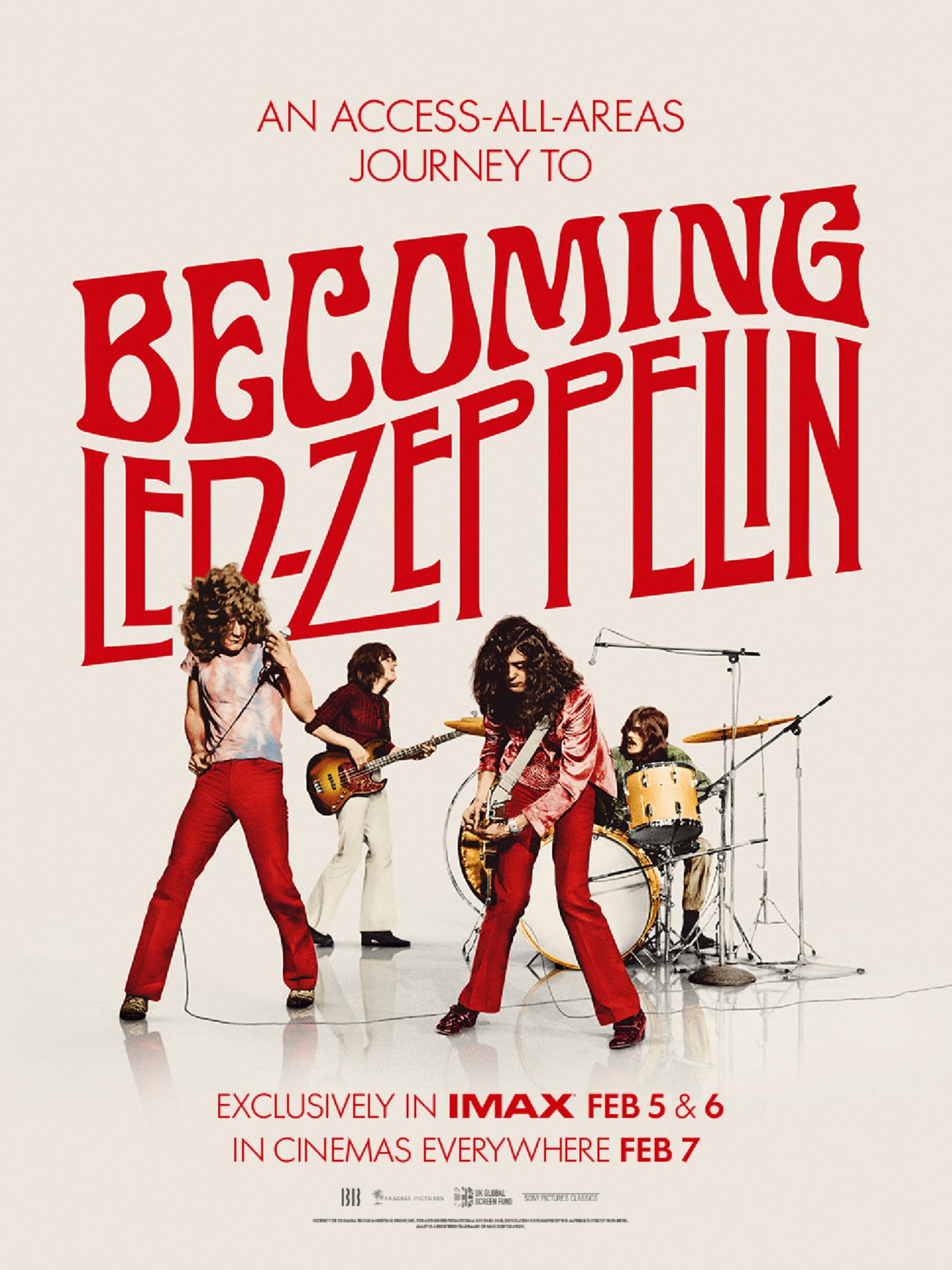
Examining the video material required significant time. lot Of detective work," says McGourty, "exploring small English villages where locals somehow kept recordings of Led Zeppelin from the 1969 Bath Festival tucked away in their attics." This search uncovered true treasures, notably an entire rendition of 'Dazed and Confused' offering front-row views of every one of Page’s guitar performances. He elaborates: "We selected tracks as though composing music for a film, aiming to propel the story forward. For instance, during the band's initial European gigs—where audiences were still unfamiliar with them—and fans cover their ears, we included 'Communication Breakdown.' Then, when Jimmy goes to the U.S. to sign with Atlantic Records, we played 'Your Time Is Gonna Come'. As they later toured across America, we used 'Ramble On.'
It was during their 1969 U.S. tours when Led Zeppelin really found their stride. In the early performances backing up New York psychedelic rockers Vanilla Fudge, attendance was sparse, but Jimmy Page—known for being an adept tour veteran—instructed his bandmates to perform as though they were playing at a small venue, impressing even the limited crowd present. However, once they reached San Francisco’s iconic counterculture hub, The Fillmore, they had hit their peak performance level. Their recollections from these tours shine brightly, albeit with minimal specifics. "At twenty years old, we had access to plenty of drugs and many women," recalls Plant in the documentary, wearing a smile.
When the US campaign concluded, Zeppelin headed back to the UK for an exhilarating series of shows ending with a completely booked performance at the prestigious Royal Albert Hall, where numerous relatives were present. "Mr. Jones' dad attended," recounts MacMahon, "and he understood the significance of his son's work. It moved him deeply; John Paul couldn’t help but feel overwhelmed with happiness as he recounted this moment." Just a few weeks after their triumphal show, they received their gold records on the very day when the Apollo 11 astronauts—who had become the first humans to journey to the moon—safely landed back on Earth. This period marked rapid global transformation—the rise of Zeppelin served as an electrifying indicator of these sweeping changes.
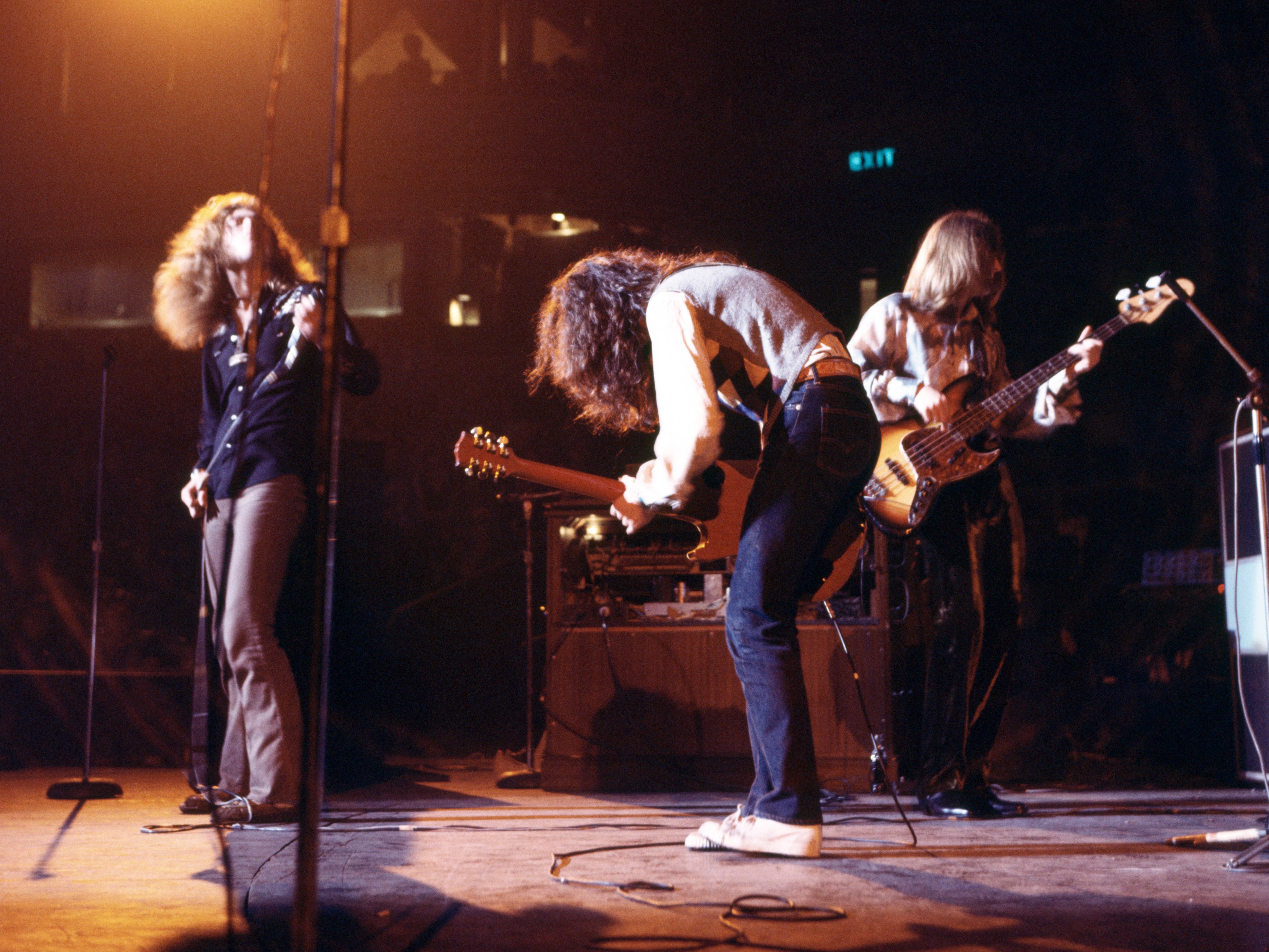
Further successes ensued, along with possibly even more remarkable music. However, the band's journey became increasingly challenging as they embarked on rigorous tours, faced mounting pressures, and experienced ever-stranger lifestyles. Jimmy Page succumbed to heroin addiction, took up an interest in the esoteric, and engaged in a prolonged affair with the underage groupie Lori Maddox. Following a severe car crash, Robert Plant had to record the vocals for Led Zeppelin's 1976 album from his sickbed. Presence From a wheelchair, while his five-year-old son, Karac, passed away unexpectedly the next year due to a stomach virus. Then, in October 1980, as he was preparing for an upcoming tour and had consumed approximately 40 shots of vodka, John Bonham suffocated on his own vomit.
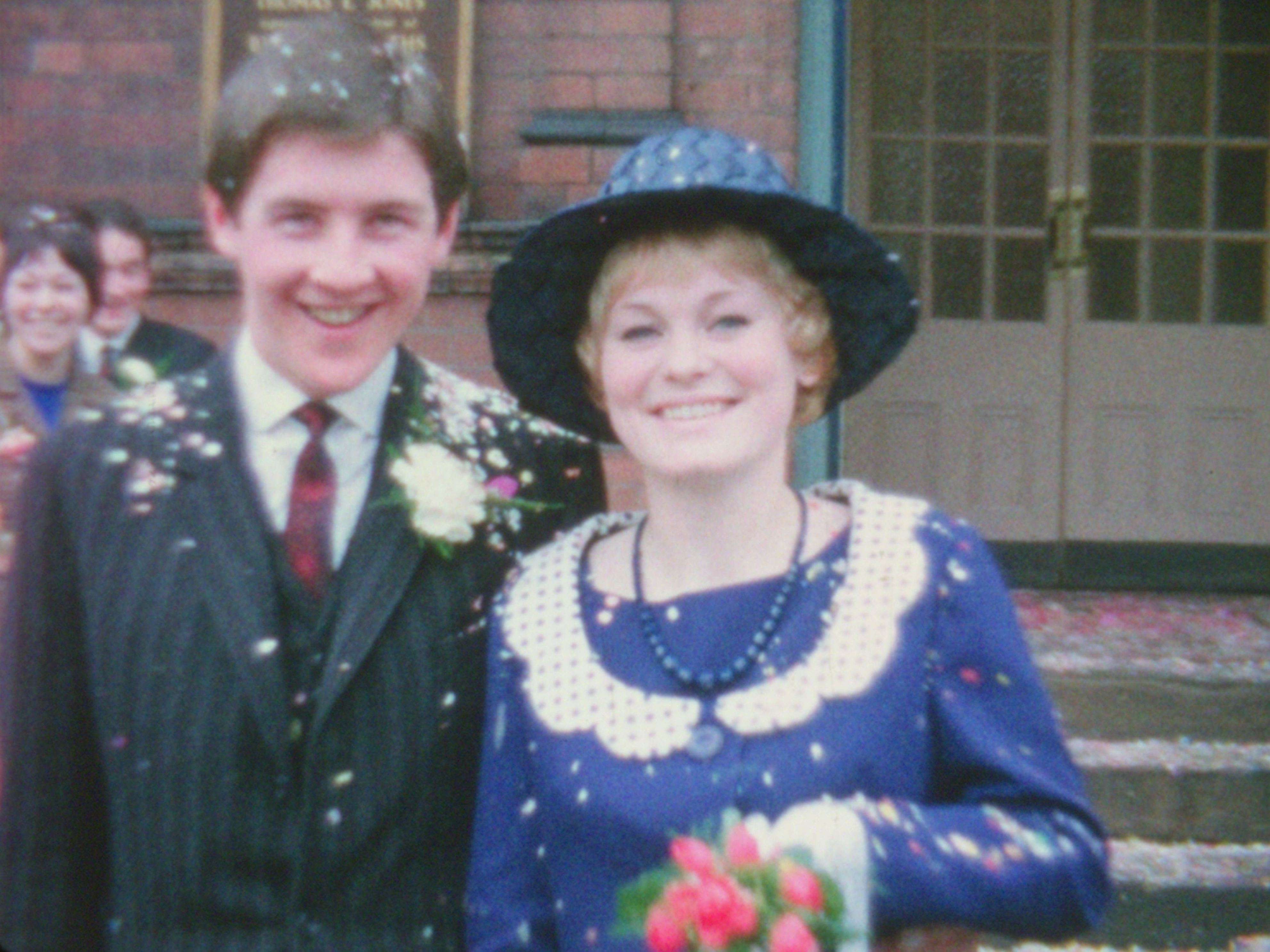
MacMahon and McGourty state they aren’t interested in delving into those subsequent parts of the narrative. "The Led Zeppelin story concludes tragically," remarks McGourty, "and it's challenging for Robert to discuss it. The loss of John, his closest confidant—why would he wish to relive that? However, we guided them back to the enjoyable moments, to the origins: how it began, when it felt like pure bliss."
The performance at the Royal Albert Hall represents a victorious return home for Led Zeppelin, much like Neil Armstrong stepping onto the moon or Edmund Hillary planting his flag on top of Mount Everest," remarks MacMahon. "While there have been numerous space expeditions and ascents up mountains, none capture our interest quite like those historic moments. With repetition comes monotony. In the case of Led Zeppelin, their journey involves recurring themes: new albums, extensive tours, and encounters with various challenges. Once you reach the pinnacle of success as one of the world's most renowned bands, many aspects of your experience start to echo others' stories—your struggles becoming commonplace and less compelling. However, our documentary focuses specifically on these individuals, detailing their unique paths leading to this momentous occasion. This narrative has remained untold until today.
'Becoming Led Zeppelin' is now showing in theaters.
The Independent has consistently maintained a worldwide viewpoint. Rooted in strong foundations of exceptional international coverage and analysis, The Independent now boasts a scope that seemed unimaginable at its launch as a newcomer in the UK media landscape. For the first time since the conclusion of World War II, these core principles—pluralism, rationality, a forward-thinking and compassionate approach, along with international cooperation—which align with our values, face challenges globally. Nonetheless, The Independent continues to expand.


Comments
Post a Comment