'Mysteries Unveiled: Hidden Structures Found on the Moon’s Far Side'
Researchers have revealed billions of years' worth of mysteries hidden underneath the earth's surface. moon .
For ages, our lunar neighbor has inspired wonder and intrigue, yet thanks to advancements made by China’s space program, we're beginning to unravel its history.
In 2018, the Chang'e-4 lander from the Chinese National Space Administration (CNSA) made history as the first spacecraft to touch down on the far side—also known colloquially as the dark side—of the Moon.
Ever since, it has been obtaining stunning photographs of lunar impact sites and collecting mineral specimens, providing valuable insights into the composition of the upper 1,000-foot layer of the Moon's exterior.
At the beginning of this month, the discoveries made by Chang'e-4 were officially released, offering everyone an opportunity to explore the rich history of our beloved moon.
The findings, published in the Journal of Geophysical Research: Planets , it is disclosed that the upper 130 feet (40 meters) of the moon's surface consist of several layers of dust, soil, and fragmented rocks.
Buried beneath these strata lies a crater that came into existence when a substantial body collided with the moon. This insight comes from Jianqing Feng, an astrogeological researcher at the Planetary Science Institute in Tucson, Arizona, who co-directed this groundbreaking study.
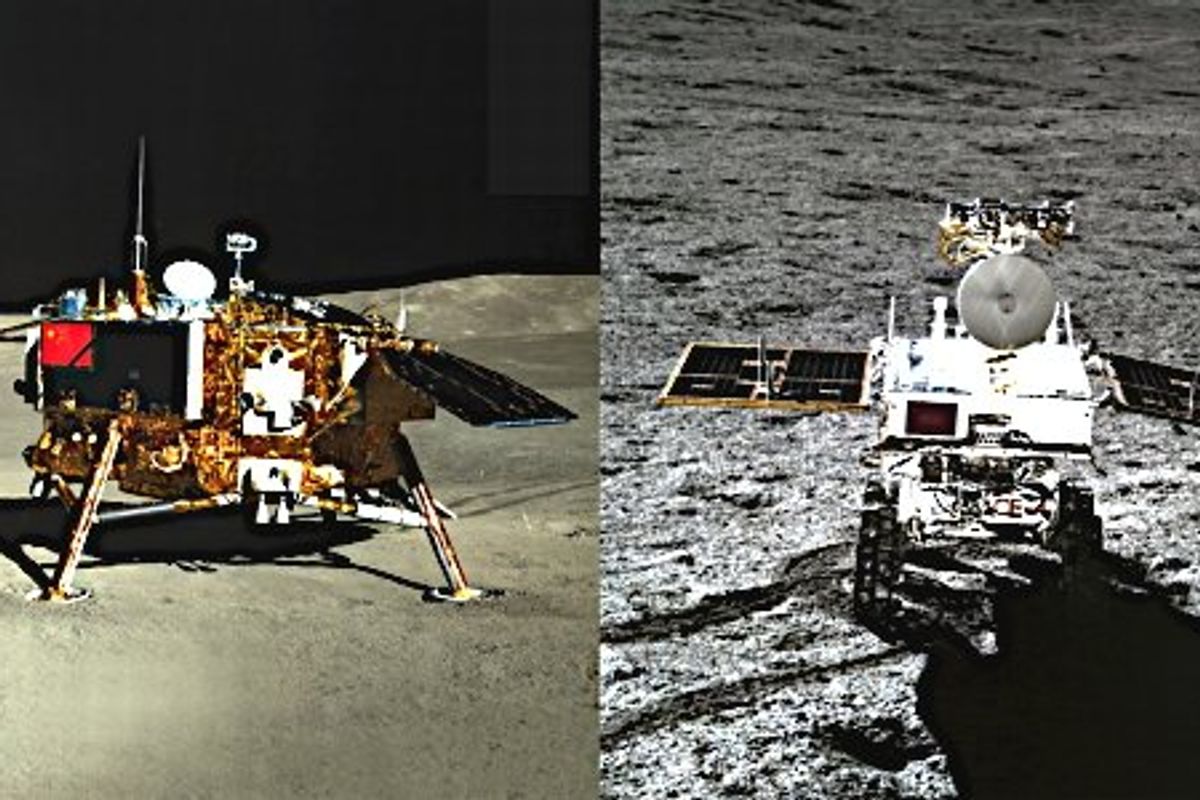
Underneath, Feng and his team found five separate layers of lunar lava that once blanketed the area billions of years ago.
Specialists think that our moon came into existence around 4.51 billion years ago due to a collision between Earth and an object roughly the size of Mars, which caused a piece of Earth to break away and form the Moon. Live Science notes.
Over the next approximately 200 million years, the Moon kept getting bombarded by cosmic rubble, resulting in countless collisions that created fissures across its face.
Similar to what happens on Earth, the moon’s mantle had regions with molten magma. Due to several volcanic events, these areas seeped into freshly created fissures, as Feng pointed out.
Nevertheless, the fresh data supplied by Chang'e-4 indicated that as the volcanic rocks approached the lunar surface, they became progressively thinner.
The moon was gradually cooling off and losing its vigor during its late volcanic phase," Feng explained. "Over time, its energy weakened considerably.
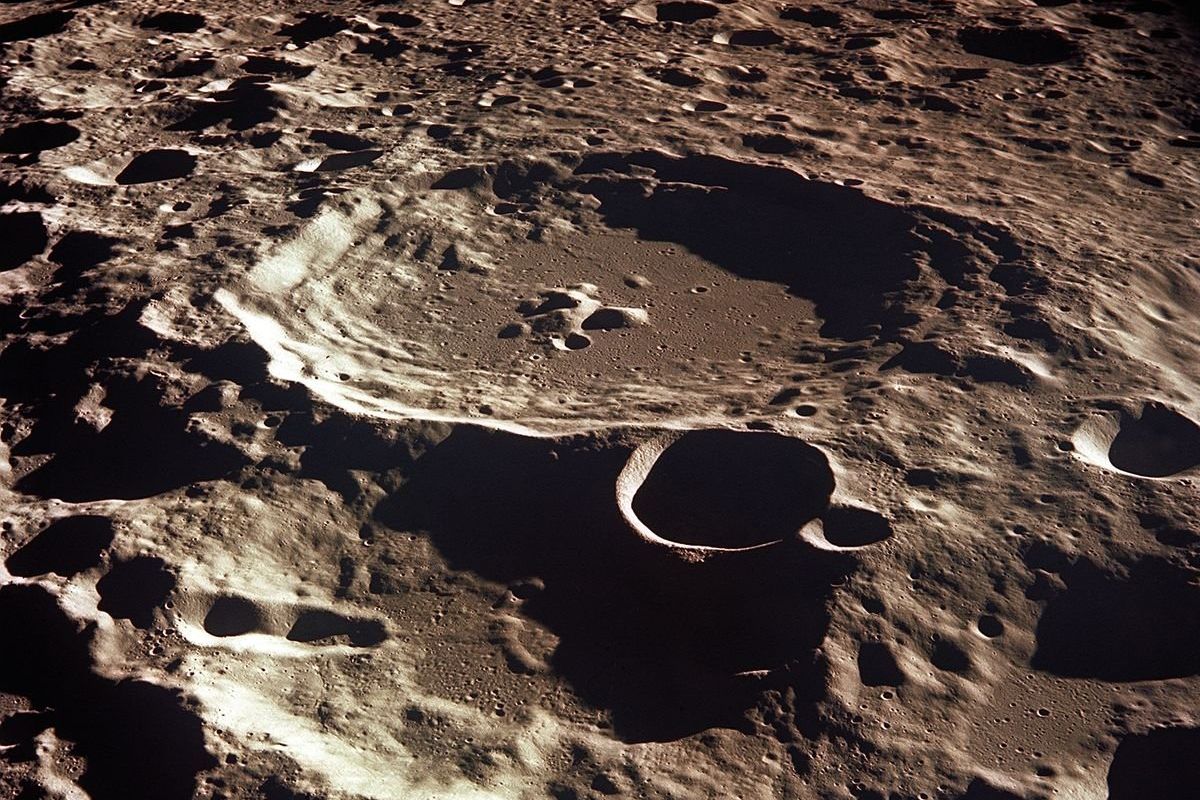
As it is widely recognized, lunar volcanism ceased between one billion and 100 million years ago, leading to the general belief that the moon is predominantly "geologically inactive."
Nevertheless, Feng and his collaborators have proposed that there might still be submerged magma hidden far below the moon's surface.
Chang'e-4 still has numerous tasks ahead, and Feng and his team are hopeful that this marks the start of their groundbreaking lunar cartography efforts.
The article initially appeared on May 2, 2023.
Sign up for our complimentary bi-weekly e-newsletter
The sister publication of The Independent has become one of the biggest and most reliable digital news sources globally. From political developments to celebrity updates and trending content, their reporters cover every aspect—both positive and negative. This platform offers engaging, distinctive reporting that reflects current sentiments and frequently uncovers fresh perspectives on major international events. They challenge misinformation, explore new frontiers, and ensure their coverage remains dynamic. In harmony with The Independent, this outlet upholds similar core principles and rigorous editorial integrity. Stay connected above each post for more details.


Comments
Post a Comment